What do you use to order a taxi, find directions, or track how many miles you jogged? The answer, of course, is the constellation of Global Positioning System satellites known as GPS.
The GPS system was developed by the Defense Department in the 1970s and finally became operational in 1995. From there, defense firms and commercial industry generated GPS-dependent devices, weapons and software at an almost exponential rate, making it a vital technology for troops and civilians alike.
"I used to say, only half in jest, that if I could charge everyone who used GPS a small user fee, I could operate much of the Air Force without seeking funds from Congress," said Bob Hale, who served as Air Force comptroller in the 1990s and Defense Department comptroller from 2009 to 2014.
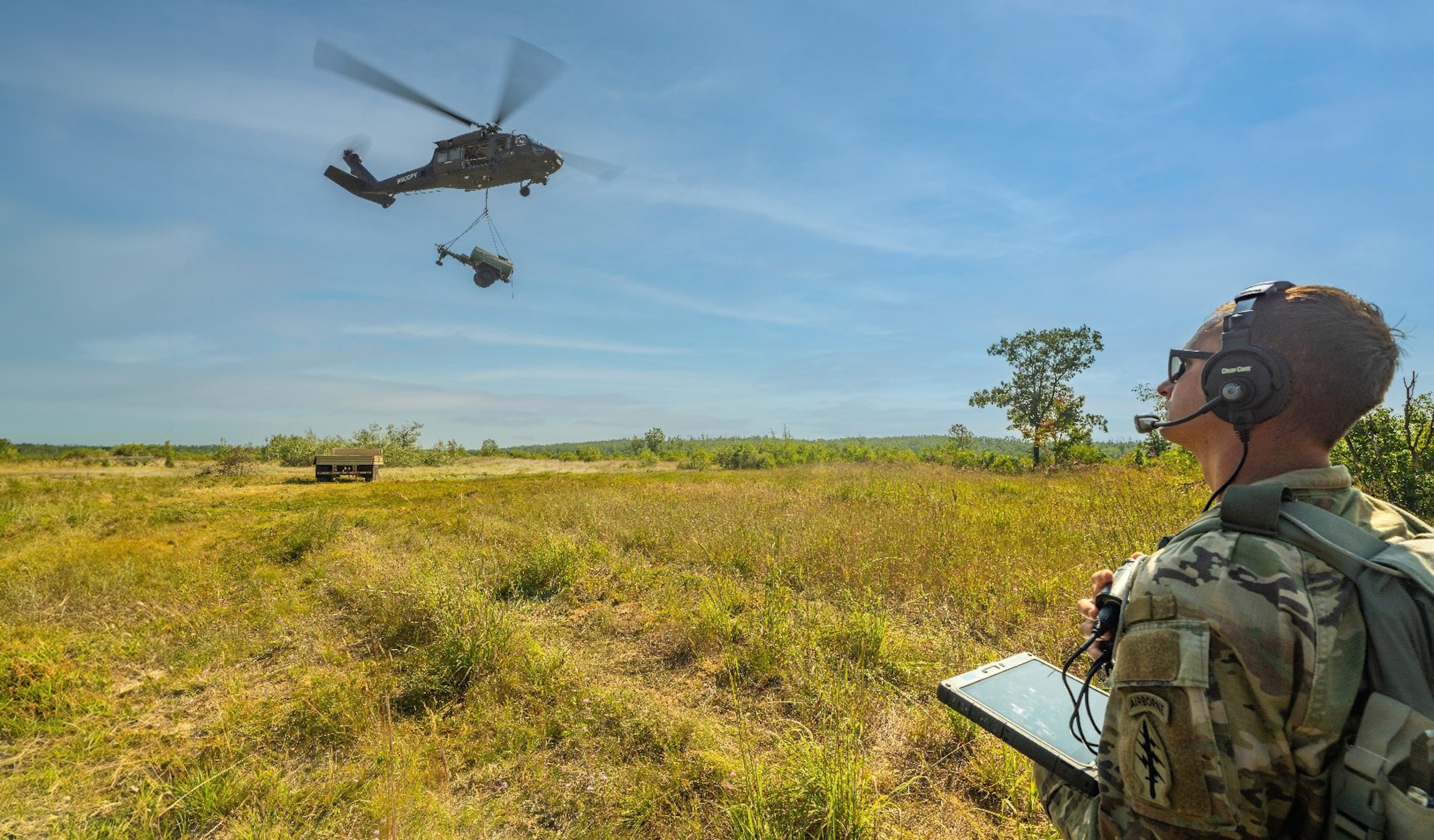
Today GPS is used by the military to guide intercontinental ballistic missiles and precision munitions, to direct unmanned systems, to track ground and airborne targets, and to allow troops to navigate and coordinate movements, among many other uses. On the civilian side, the precision navigation and timing capability enables the financial sector to time-stamp when transactions took place, and it allows aviation companies to plan air traffic down to the minute.
"This constellation of satellites has truly revolutionized the world and the way war is fought," said Todd Harrison, director of defense budget analysis at the Center for Strategic and International Studies. "Things like Uber would not even be conceivable without GPS, much less drones and precision air strikes."
For those reasons, the Defense Department needs to take steps to safeguard all of its satellite constellations, including GPS, said Mackenzie Eaglen, a defense analyst at the American Enterprise Institute.
"The space domain is already the Wild West, and it is tense, crowded, competitive and increasingly hostile. And that’s really scary when you think about how the global economy relies on satellites," she said. "It’s uniquely vulnerable because if the Air Force doesn’t keep its satellites up and running, not a single other military service can fly, fight, see, move or talk to each other."
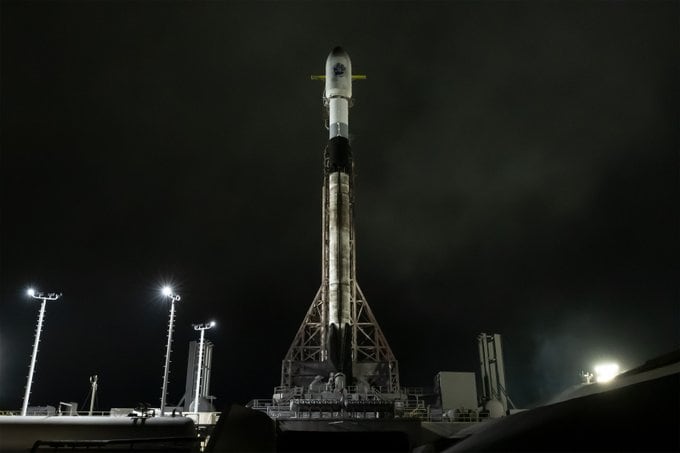
The military will continue to rely on the constellation for decades to come, even as electronic attacks and anti-satellite threats — which could contribute to the loss of GPS access — are on the rise. The Air Force currently is investing billions of dollars into the modernization and hardening of the GPS infrastructure, including acquiring new GPS III satellites and ground stations built to withstand jamming and cyber attacks.
The Defense Department may also need to invest in alternate ways of enabling GPS in a denied environment, such as pop-up satellites that can be launched on the spot to help provide access, Eaglen said.
This article is part of a larger Defense News 30-year anniversary project, showcasing the people, programs and innovations from the last three decades that most shaped the global security arena. Go to defensenews.com/30th to see all of our coverage.
Valerie Insinna is Defense News' air warfare reporter. She previously worked the Navy/congressional beats for Defense Daily, which followed almost three years as a staff writer for National Defense Magazine. Prior to that, she worked as an editorial assistant for the Tokyo Shimbun’s Washington bureau.
More In