Recap: Highlights from the US Army’s 2025 conference in Washington
The Army continues to transform, with efforts focused on next-gen weaponry, long-range artillery, unmanned systems and much more.

Unmanned
Pentagon stages first ‘Top Drone’ school for operators to hone skills
Industry and military drone operators flew tethered and untethered first-person drones through a course designed to test endurance and maneuverability.

New venture capital fund focused on high-need, dual-use technology
The new fund is led by a team of national security experts looking to invest in and support smaller companies developing critical technology for national security and commercial users.

Blue, yellow and gray zone: The cyber factor in Ukraine
Russia's combined air, land and sea assault on Ukraine was preceded by waves of cyberattacks, the sort of gray-zone meddling analysts and defense officials had foreseen. Websites were hamstrung. Malware coursed through computers. Communications were hampered. But the efforts were not crippling.

US Space Force won’t say it why it delayed an upcoming Wide-Field-of-View Testbed launch
The service said it is working to find a new launch date for the experimental satellite, which will shape requirements for future Next-Generation Overhead Persistent Infrared satellites.

Congress wants to give Air Force an extra $65 million for ABMS
The prospective boost for the Advanced Battle Management System suggests growing support for the effort, which lawmakers and watchdogs have scrutinized.

Lawmakers recommend $800 million budget increase for defense lab and testing infrastructure
The funding increase would support improvements to key technology development infrastructure in areas like hypersonics, space and directed energy.

How JADC2 is improving nuclear command and control
The Pentagon’s effort to better connect sensor to shooter and shuttle data is inextricably linked with the high-stakes communication systems of nuclear warfare, and rightly so, the head of U.S. Strategic Command told Congress this week.

Proposed Space Development Agency funding boost falls short of earlier request
The $550 million increase for the Space Development Agency's Tracking Layer satellites is $200 million less than what Senate appropriators proposed in an earlier bill.

How to improve the force? Info and tech investments, says HASC chair.
“You can have the biggest force in the world. If it’s not survivable, if it can’t get into the place that it needs to get in to and fight, then it’s really not doing you too much good.”
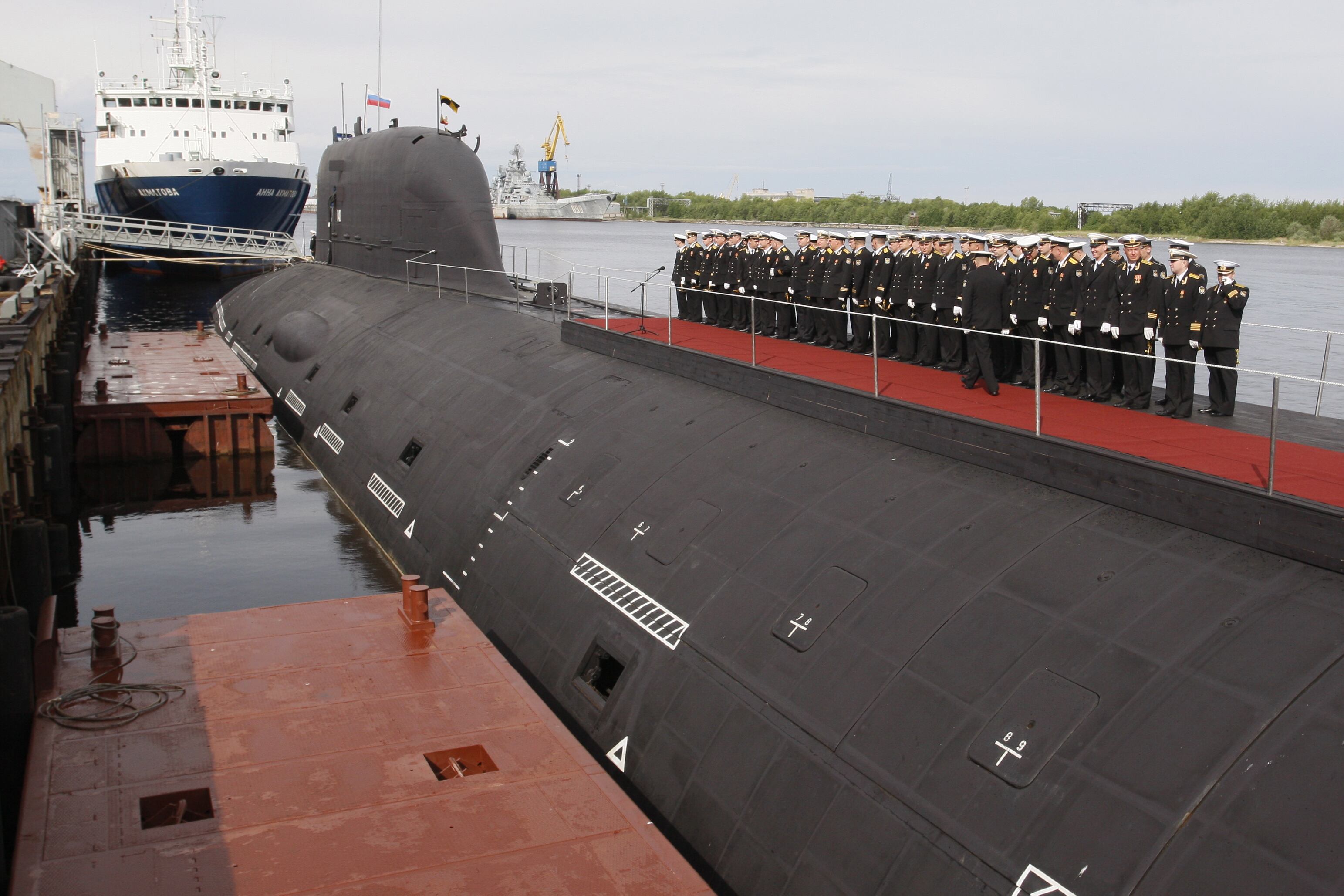
NORTHCOM needs better sensors to protect against Russian submarine, missile threat
The technologies the U.S. needs to bolster its homeland defense against Russian submarines and missiles are currently available — meaning the Defense Department could move out quickly on buying and fielding them if they support these programs in the upcoming 2023 budget.